Register your homeschool with your local school district by July 1st to stay compliant with New York’s Individualized Home Instruction Plan requirements, even though preschool-age children aren’t technically required to follow formal homeschool regulations until age six. Contact your district superintendent’s office now to understand their specific documentation preferences and avoid confusion when your child reaches compulsory age.
Establish a daily rhythm that balances structured learning blocks with unstructured play, dedicating 1-2 hours maximum to guided activities for preschoolers while reserving ample time for outdoor exploration, creative play, and social interaction. While researching quality early childhood programs like Joey’s Cottage Preschool Liverpool, remember that your homeschool environment can incorporate similar play-based philosophies without requiring expensive materials or formal credentials.
Connect with local homeschool co-ops through Facebook groups specific to your county or region, as these communities frequently organize park days, field trips, and shared childcare arrangements that address socialization concerns while providing you with essential peer support. Many New York co-ops welcome preschool families and offer parent-led enrichment classes at minimal cost.
Access free resources through your public library system, which provides story times, early literacy programs, museum passes, and educational toy lending libraries designed specifically for young learners. New York’s libraries also offer digital platforms with age-appropriate learning apps and streaming educational content that supplement your homeschool curriculum without adding financial burden to your family budget.
What New York Law Actually Says About Homeschool Preschool
Here’s some reassuring news for parents considering preschool homeschooling in New York: you have more flexibility than you might think. Understanding what the law actually requires at this age can help you make confident decisions without unnecessary worry.
In New York, compulsory education begins at age six. This means you’re not legally required to register as a homeschooler or file any paperwork with your school district until your child reaches that age. The NY homeschool laws simply don’t apply to children under six, giving you complete freedom in how you approach early learning.
What does this mean practically? For children ages three to five, you can teach at home, use preschool programs, combine both approaches, or take an entirely play-based route without any government oversight. You won’t need to submit an Individualized Home Instruction Plan, maintain attendance records, or arrange for quarterly reports during these years. This is your time to explore what works best for your family.
However, if you’re planning to homeschool long-term, these preschool years offer a valuable opportunity to establish routines and get comfortable with home education before the paperwork begins. Many experienced homeschoolers recommend using this time to experiment with different learning approaches, discover your child’s interests, and build confidence in your teaching abilities.
If you’re considering a hybrid approach that combines home learning with part-time preschool or childcare, you have complete flexibility to do so. Some families use co-ops, community programs, or part-time preschool for socialization while maintaining primary learning at home. Others prefer keeping everything home-based. Both choices are equally valid and legal.
The key takeaway is this: before age six, New York gives you the freedom to design your child’s early learning experience without bureaucratic requirements. Use this time to lay a strong foundation that prepares both you and your child for the homeschooling journey ahead.
Free and Low-Cost Preschool Programs You Can Combine With Homeschooling
Universal Pre-K (UPK) Programs
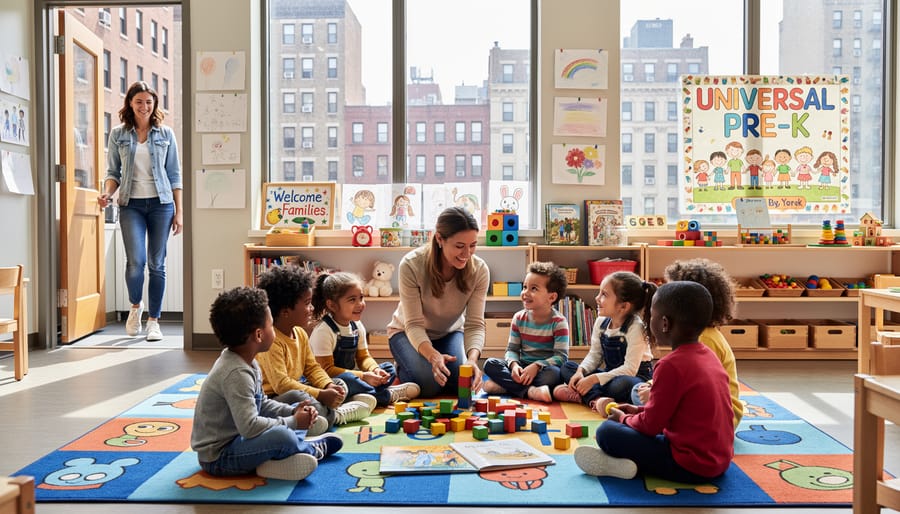
New York’s Universal Pre-Kindergarten program is a wonderful resource that many homeschooling families don’t realize they can access. UPK provides free, high-quality early education for four-year-olds throughout the state, and it can work beautifully alongside your homeschool approach.
Here’s how it works: UPK is available to all four-year-olds in New York, regardless of income. Programs are offered through public schools, community-based organizations, and some charter schools. Most programs run during the school year following a typical school calendar, with sessions typically lasting 2.5 to 6 hours per day, five days a week. Some districts also offer full-day options.
The eligibility is straightforward—your child simply needs to be four years old by December 31st of the enrollment year. You don’t need to prove residency beyond living in the district, and homeschooling families are absolutely welcome to participate.
Many homeschooling parents use UPK as part-time socialization while maintaining their homeschool approach for the rest of the day or week. For example, you might enroll your four-year-old in a half-day UPK program, then continue with your own curriculum at home for subjects like nature study, art, or faith-based learning. This hybrid approach gives children peer interaction and exposure to a classroom setting without requiring you to give up homeschooling.
To explore options, contact your local school district or search for community-based UPK providers in your area. Remember, enrollment typically happens in the spring for the following fall, so plan ahead to secure your spot.
Child Care Subsidies and Voucher Programs
If you’re homeschooling but need part-time childcare while you work or manage other responsibilities, New York’s childcare subsidy programs can significantly reduce your costs. The Child Care Assistance Program (CCAP), administered through local social services departments, helps eligible families pay for licensed or registered childcare providers.
Income eligibility varies by household size and county, but generally, families earning up to 200% of the federal poverty level qualify for full assistance, with sliding-scale fees available for those earning up to 300%. For a family of four in 2024, this means potential assistance for households earning up to approximately $90,000 annually, depending on your specific circumstances.
What makes this particularly useful for homeschooling families is the flexibility. You can use subsidies for part-time care, allowing you to homeschool during certain hours while having childcare coverage when needed. Approved providers include licensed daycare centers, registered family daycare homes, and in some cases, enrolled legally-exempt caregivers.
To apply, contact your county’s Department of Social Services. Bring proof of income, work schedule or school enrollment, and residence documentation. Processing times typically take 45-60 days, so plan ahead. Even if you’re combining homeschooling with part-time work, these subsidies can make quality childcare affordable while maintaining your educational goals.
Community Resources and Co-ops
New York families have access to wonderful community resources that provide enriching experiences for preschoolers at little or no cost. Many neighborhoods host parent-led preschool co-ops where families share teaching responsibilities and children learn through play-based activities. These co-ops typically operate on donation or membership-fee bases, making them budget-friendly alternatives to traditional preschools while building strong community connections.
Your local library is a treasure trove of programming. Most New York public libraries offer free story times, music sessions, and early literacy programs designed specifically for preschoolers. These weekly gatherings provide structured social interaction and help children develop listening skills in group settings.
Museums across the state welcome young learners with special preschool programs. The Brooklyn Children’s Museum, Rochester Museum & Science Center, and many others offer toddler-specific hours and hands-on workshops. Check if your local museum provides free or discounted days for residents.
Community centers, YMCAs, and parks departments frequently run preschool enrichment classes, from art to movement activities. Many offer sliding-scale fees based on income, making them accessible to various budgets. These programs complement free homeschooling programs beautifully by adding structured group experiences to your home-based learning.
Don’t overlook faith communities and neighborhood groups, which often organize playgroups and parent-child classes that welcome homeschooling families regardless of background.
Building Your Homeschool Preschool Day: What Actually Works
The Realistic Preschool Schedule
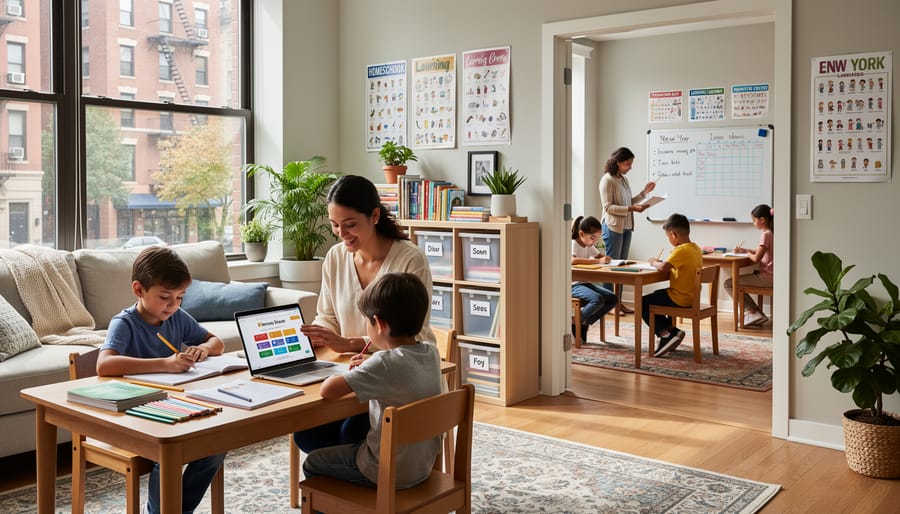
Let’s be honest: preschool homeschooling doesn’t require six hours of structured academics. In fact, young children learn best through play, exploration, and following their natural curiosity. If you’re feeling guilty about not doing enough, take a deep breath. You’re doing more than you think.
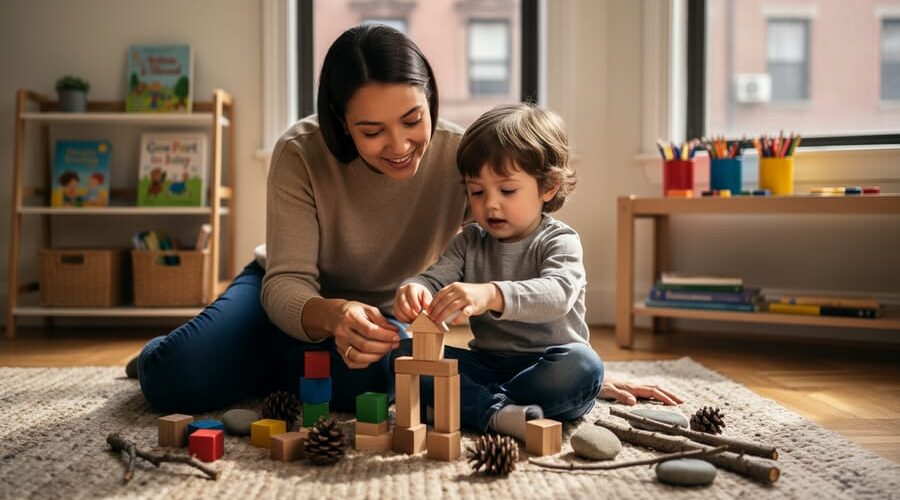
A realistic preschool day might look like this: morning routine with breakfast and getting dressed (life skills count as learning!), followed by 20-30 minutes of intentional activity like a story, simple craft, or sorting game. Then, a generous block of free play where your child builds with blocks, plays pretend, or explores outside. Add lunch, quiet time or nap, perhaps an outing to the library or park, more free play, and simple activities like cooking together or nature walks.
That’s it. You’ve hit literacy, math concepts, science exploration, social development, and motor skills without a single worksheet.
Many New York homeschool families follow a rhythm rather than a rigid schedule. Maybe Mondays are library days, Wednesdays you meet friends at the playground, and Fridays are for messy art projects. This flexibility is one of homeschooling’s greatest advantages.
Remember, preschoolers need about 15-20 minutes of focused activity per year of age. For a four-year-old, that’s roughly an hour total of structured learning throughout the entire day. The rest is play, which is exactly how young brains develop best.
If your child is fed, loved, read to regularly, given time outdoors, and has opportunities to play and explore, you’re absolutely doing enough.
Essential Learning Areas for Ages 3-6
The beautiful part about homeschooling preschoolers is that learning happens naturally through everyday activities. You don’t need a rigid curriculum or expensive materials to cover the essential areas your child needs at this age. Let’s break down what really matters for ages 3-6.
Literacy foundations start with simple pleasures: reading picture books together daily, singing nursery rhymes, and talking about the stories you share. Your child will naturally begin recognizing letters in their environment—on street signs, cereal boxes, and favorite books. Encourage drawing and scribbling, which builds the hand muscles needed for writing later. Don’t stress about formal reading lessons; focus on creating a love of books and language.
Math concepts at this age are equally straightforward. Count steps as you climb stairs, sort laundry by color, measure ingredients while baking together, and identify shapes during walks around your neighborhood. These real-world experiences build number sense far better than worksheets. Simple puzzles and building blocks naturally teach spatial reasoning and problem-solving.
Fine motor skills develop through play-based activities your child will actually enjoy: playing with playdough, using safety scissors, stringing beads, painting, and building with blocks. These activities strengthen the small hand muscles essential for writing and self-care tasks like buttoning and zipping.
Social-emotional development happens through your daily interactions, playdates with other children, and teaching your child to name their feelings. Since New York doesn’t require specific instruction hours for this age group, you have wonderful flexibility to focus on what your child needs most. Model kindness, practice taking turns during games, and give your child opportunities to play with peers through library story times, park meetups, or homeschool co-ops. Remember, you’re building a foundation, not checking boxes.
Curriculum and Materials: From Free to Worth-the-Investment
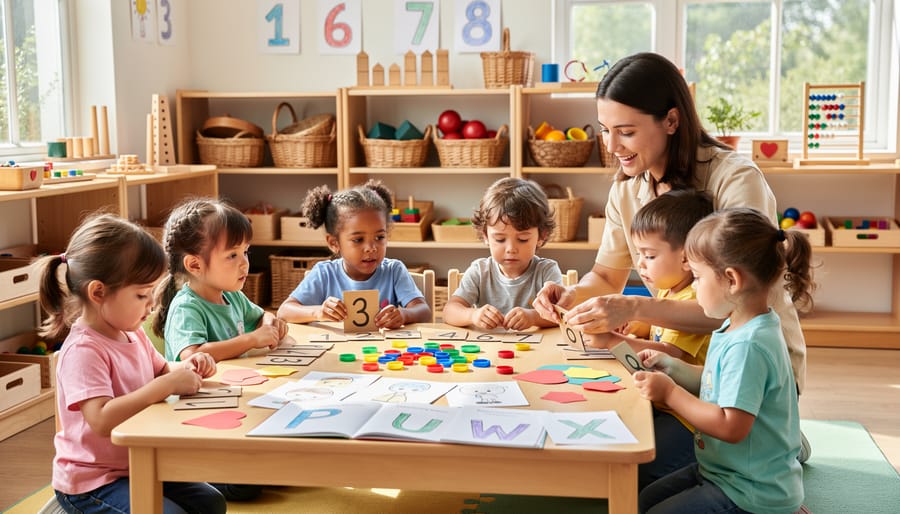
Free Resources That Don’t Feel Cheap
Quality doesn’t require a price tag, especially when you’re homeschooling preschoolers in New York. Your local library card is genuinely your best educational tool. The New York Public Library system offers outstanding resources including free early literacy apps like Libby for read-aloud books, online storytimes, and downloadable activity kits designed specifically for ages 3-6. Many branches also provide museum passes to places like the Children’s Museum of Manhattan, giving your preschooler hands-on learning experiences at no cost.
For printables and activities, PBS Kids offers robust free online games that align with early learning standards, while Starfall provides phonics and math activities perfect for beginning learners. Sites like Education.com allow limited free downloads monthly for worksheets and crafts.
The New York State Education Department’s Parent Portal includes early childhood development guides and age-appropriate activities that help you understand what skills your preschooler should be developing. These align with what traditional preschools teach, so you can feel confident you’re covering important foundations.
Don’t overlook YouTube channels like Cosmic Kids Yoga or Khan Academy Kids (completely free app) for structured learning that feels like play. These resources maintain high production value and educational integrity while costing nothing, making them perfect supplements to your hands-on teaching approach at home.
The Investments That Make the Biggest Difference
While many preschool resources are free, a few carefully chosen investments can truly transform your homeschool experience. A quality manipulative set, like pattern blocks or Cuisenaire rods (around $25-40), gives your child hands-on math exploration that lasts for years. These aren’t just toys—they build spatial reasoning and problem-solving skills in ways worksheets never could.
A good read-aloud collection is another worthwhile investment. Look for treasury books or award-winning picture book sets that grow with your child. Your local library is wonderful, but owning beloved books means you can revisit favorites anytime without worrying about due dates.
Consider a membership to your nearest children’s museum or science center. Most New York institutions offer annual family passes ($100-150) that pay for themselves after just a few visits. These spaces provide structured learning experiences and socialization opportunities you’d struggle to recreate at home.
Finally, if your budget allows, one or two monthly subscription boxes focused on science experiments or art projects (typically $20-35/month) can provide fresh inspiration and reduce your planning load. The key is selecting investments that genuinely support your family’s learning style rather than collecting materials that sit unused.
What You Don’t Need to Buy
Before you open your wallet, know that preschool-aged children learn best through everyday experiences, not specialized products. You don’t need expensive curriculum packages marketed specifically for homeschool preschool—most contain activities you can recreate with household items. Skip elaborate learning systems, phonics programs with hefty price tags, and themed unit study kits. Your kitchen, backyard, and local library offer everything necessary for rich learning experiences. Fancy organizational systems and color-coded shelving aren’t requirements either. Preschoolers thrive on simple materials: crayons, paper, blocks, and open-ended play items you likely already own. Resist pressure to buy “educational” tablets or screen-based learning programs for this age—hands-on exploration matters more. Many New York families successfully homeschool preschoolers spending less than fifty dollars on supplies by prioritizing free community resources, library books, and creative reuse of materials. Save your money for experiences like museum memberships or cooperative group activities that genuinely enhance your child’s social development and learning journey.
Solving the Socialization Question
Finding Homeschool Groups and Playgroups
Connecting with other homeschooling families is one of the most rewarding aspects of your preschool journey, especially when you’re just getting started. In New York, you’ll find vibrant communities of families who share resources, coordinate activities, and provide mutual support.
Start by exploring homeschool support groups in your region, which often organize weekly park days, library meetups, and seasonal field trips specifically for younger learners. These gatherings give your preschooler opportunities to socialize while you build relationships with experienced homeschooling parents who understand your journey.
Facebook groups offer another excellent avenue for connection. Search for terms like “NYC homeschool,” “Long Island homeschool families,” or “[your county] homeschool group” to find local communities. Many neighborhoods have dedicated playgroups for preschool-aged children that meet regularly at parks, museums, or members’ homes.
Don’t overlook your local library as a connection hub. Many branches host story times and early learning programs where you’ll naturally encounter other homeschooling families. Public parks during weekday mornings also tend to attract homeschoolers.
When reaching out to groups, introduce yourself and your child’s age. Most communities warmly welcome newcomers and appreciate parents who actively participate and contribute ideas for activities.
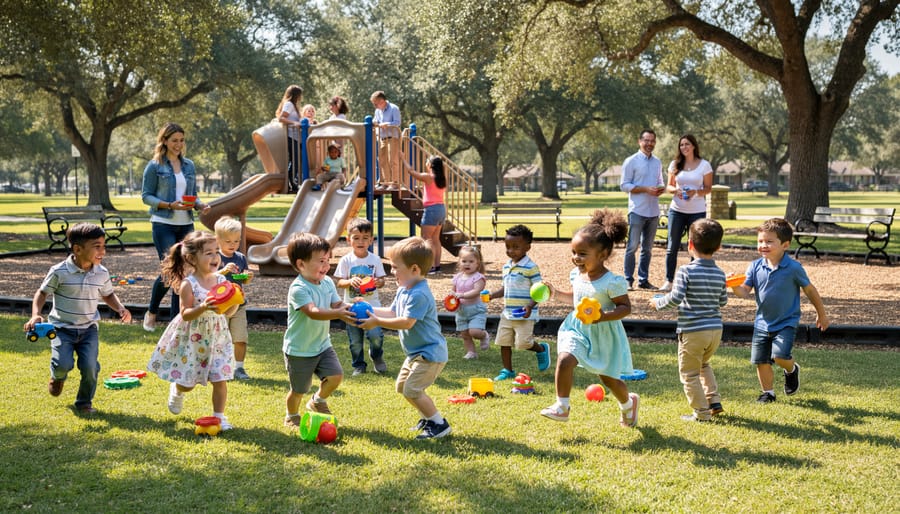
Activity Classes and Extracurriculars
One of the wonderful aspects of homeschooling your preschooler in New York is the abundance of affordable enrichment opportunities that provide both learning and social interaction. These programs complement your home activities while giving your child chances to play with peers in structured settings.
Start with your local public library, which offers free story times, music and movement classes, and early literacy programs designed specifically for preschoolers. Many New York libraries also host craft sessions, puppet shows, and STEM exploration activities. These programs require no registration fees and provide excellent opportunities for your child to interact with other children their age.
Your town or city recreation department is another goldmine for budget-friendly classes. Most offer gymnastics, swimming lessons, art classes, and sports fundamentals at significantly lower costs than private providers. These classes typically run in six to eight-week sessions and give your homeschooled preschooler regular peer interaction in a fun, low-pressure environment.
Community organizations like the YMCA, JCC, and local museums frequently provide preschool-age programming on sliding-scale fees based on income. Many museums offer free or discounted toddler mornings with hands-on activities perfect for little learners.
Don’t overlook informal community connections either. Joining a homeschool co-op or starting a playgroup with other homeschooling families creates consistent social opportunities without the structure or cost of formal classes. Local parks departments often host free outdoor activities, nature walks, and seasonal events that encourage both physical activity and socialization. These combined resources ensure your preschooler develops social skills while you maintain the flexibility and values that drew you to homeschooling.
Financial Help for Homeschool Families with Preschoolers
Tax Credits and Deductions
Homeschooling families in New York can reduce their educational expenses through several tax credits and deductions. The federal Child and Dependent Care Credit may apply if you use paid childcare while you work or look for work, even while homeschooling. This credit covers up to 35% of qualifying expenses for children under 13, with specific income-based limits.
While New York doesn’t offer state-specific homeschool tax credits, you can still benefit from tracking educational expenses throughout the year. Keep detailed records of curriculum purchases, learning materials, educational software subscriptions, and field trip costs. Though these aren’t directly deductible for homeschooling, they’re valuable for financial planning and may qualify under other circumstances.
Some families structure their homeschool as part of a 529 College Savings Plan strategy, using funds for K-12 educational expenses up to $10,000 annually per student. Additionally, if you purchase services from qualified tutors or educational therapists, those expenses might qualify for the Child and Dependent Care Credit depending on your situation. Consider consulting a tax professional familiar with educational expenses to maximize your family’s benefits and ensure compliance with current tax laws.
Grants and Scholarship Opportunities
Homeschooling doesn’t have to strain your family budget. Several financial assistance options exist for New York homeschooling families, particularly those with young learners or special circumstances.
The New York State Education Department doesn’t provide direct homeschool grants, but families can explore alternative funding sources. Many local libraries offer free educational programming and materials specifically designed for preschool-aged children. The New York State Developmental Disabilities Planning Council provides grants and resources for families homeschooling children with special needs, covering adaptive equipment and specialized learning materials.
Private scholarship opportunities exist through homeschool support organizations across the state. Groups like Homeschool New York and regional cooperatives occasionally offer mini-grants for curriculum materials, particularly for families demonstrating financial need. Some faith-based homeschool networks also maintain scholarship funds for their member families.
Consider applying for the Child and Dependent Care Credit on your federal taxes, which can help offset costs if you’re using paid childcare services while homeschooling. Additionally, families using approved providers for part-time childcare may qualify for subsidies through the New York State Office of Children and Family Services, depending on income eligibility.
Don’t hesitate to reach out to your local homeschool support group about available resources. Many maintain lending libraries, curriculum exchanges, and information about regional funding opportunities that can significantly reduce your educational expenses while providing quality learning experiences for your preschooler.
When to Consider Hybrid Options or Part-Time Care
Homeschooling your preschooler doesn’t have to be an all-or-nothing decision. Many New York families find that blending homeschool approaches with part-time preschool or childcare creates the perfect balance for their unique circumstances, and there’s absolutely no shame in crafting a hybrid solution that works for you.
Consider combining homeschool with part-time care if you’re working from home and need focused hours for video calls or deadline-driven projects. Even two or three mornings per week at a local preschool can provide the structure you need to maintain your professional responsibilities while still enjoying the flexibility of homeschooling on other days. This arrangement also gives your child valuable experience in classroom settings without the full-time commitment.
Single parents or families with multiple young children often benefit tremendously from hybrid arrangements. The break allows you to focus on older siblings’ education, handle household responsibilities, or simply recharge your energy. Remember, sustainable homeschooling requires a sustainable parent, and burnout helps no one.
Part-time preschool programs can also address specific developmental needs your child has, whether that’s speech therapy, socialization practice, or exposure to structured group activities. Some children genuinely thrive with a mix of home-based learning and classroom experience, and that’s perfectly valid.
Financial considerations matter too. If you qualify for subsidized childcare through New York’s programs, using those benefits for part-time care while homeschooling the rest of the week can ease budget pressures considerably. You’re still providing rich educational experiences at home while taking advantage of available support.
The goal isn’t perfection or adherence to someone else’s homeschooling ideal. It’s creating an approach that nurtures your child’s development while honoring your family’s reality. Hybrid solutions aren’t compromises; they’re thoughtful, customized plans that acknowledge real life happens while you’re educating your preschooler.
You’ve taken an important step by exploring homeschool preschool options for your family, and the good news is that these early years offer tremendous flexibility. There’s no single right way to approach preschool at home—whether you follow a structured curriculum, embrace play-based learning, or blend homeschooling with part-time childcare, you’re creating an environment tailored to your child’s unique needs and your family’s rhythm.
Remember, homeschool preschool is remarkably forgiving. These foundational years aren’t about checking boxes or keeping pace with rigid standards. They’re about nurturing curiosity, building confidence, and enjoying the wonder of childhood while establishing basic literacy, numeracy, and social skills. If something isn’t working, you have the freedom to adjust your approach tomorrow.
New York’s homeschool community is ready to support you on this journey. Take time to explore the libraries, museums, co-ops, and online resources mentioned throughout this article. Connect with other homeschooling families in your area—their experiences and encouragement will prove invaluable. You’re not alone in this adventure, and the resources available to New York homeschoolers continue to grow. Trust yourself, embrace the flexibility this path offers, and enjoy these precious early years with your little learner.


