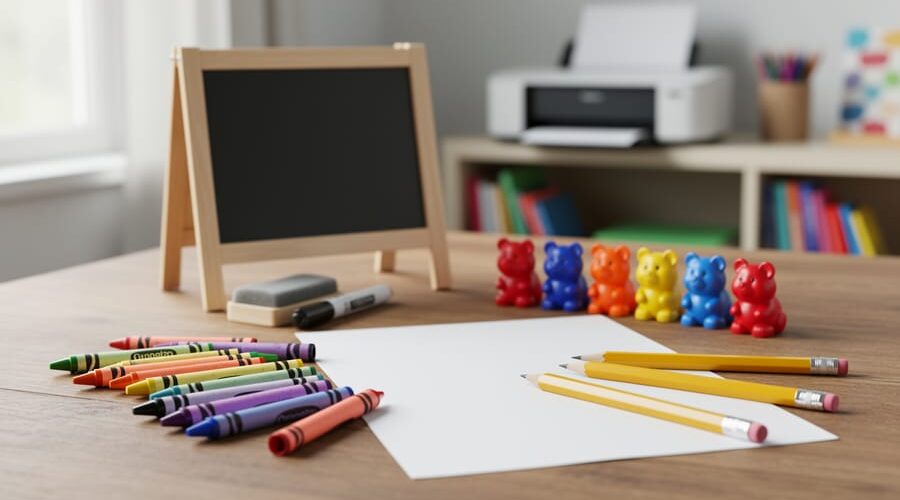
A kindergarten homeschool supply list can be short. Start with the basics: paper, pencils, a printer, and a dry erase board. Add hands-on tools like counting bears next. Treat a full curriculum kit as optional, not required, because plenty of families build a strong kindergarten year from single items, library finds, and free resources.
In the interest of transparency, we earn a commission on some purchases made through links on this site. As an Amazon Associate I earn from qualifying purchases.
That’s the main idea, and it takes pressure off the shopping cart. Kindergarten at home doesn’t need a classroom’s worth of gear. It needs a few dependable tools for daily writing, a way to print what you need, and some things little hands can touch, sort, and count. If you’re a New York parent figuring out where to begin, that’s good news, because you can start small and add as you learn what your child enjoys.
Below, you’ll find eight picks, including Oxford Filler Paper KALOUR 72 Count Colored Pencils and the Canon PIXMA TS6520 Wireless Color Inkjet Printer. We’ll also cover how to decide what to buy first, when a kit makes sense, and mistakes to skip.
What Really Belongs on a Kindergarten Homeschool Supply List
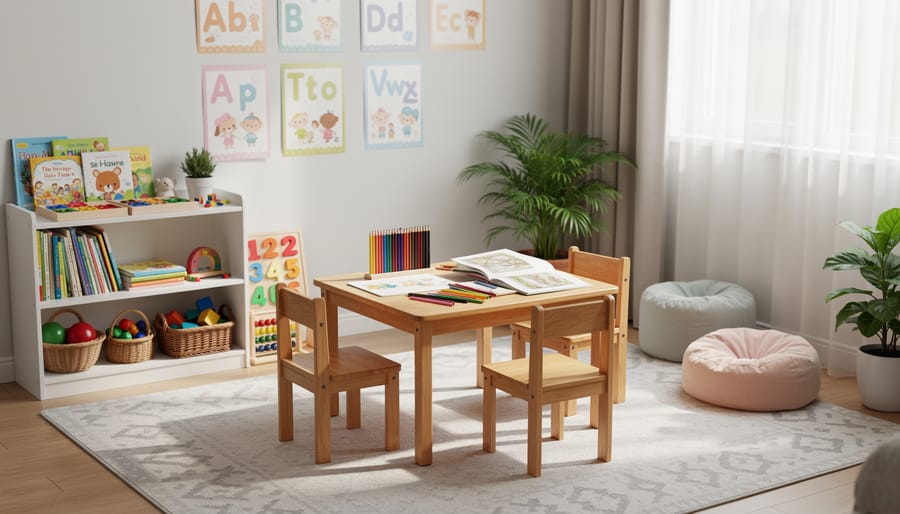
A kindergarten homeschool supply list is shorter than most parents expect. Treehouse Schoolhouse groups the essentials into four simple categories, and that’s a handy way to think about it before you spend a dollar.
- Organization tools: Binders, folders, and bins keep worksheets and daily plans from piling up on the kitchen table.
- Printing equipment: A reliable home printer lets you run off lessons, activity pages, and checklists as you need them.
- Daily writing tools: Pencils, crayons, colored pencils, and paper give your child plenty of low-pressure practice.
- Hands-on learning resources: Counting objects, sorting sets, and activity pages turn abstract ideas into something little hands can handle.
Let’s make that practical. Organization doesn’t have to mean a fancy system. A binder per child and a spot for finished work go a long way, and good homeschool storage keeps supplies from taking over your living space, which matters in a smaller New York home.
Printing deserves a quick mention too. Many homeschoolers lean on printable lessons, so having a dependable printer saves you trips to the copy shop. Writing tools are the everyday workhorses, since kindergartners spend lots of time tracing, drawing, and learning to form letters. Hands-on resources are where the fun lives, from counters to puzzles.
If you’d like a head start, some retailers make it easy. Treehouse Schoolhouse offers a free printable PDF checklist with everything you need to get started homeschooling. Print it, circle what you already own, and fill in the gaps over time.
Key Buying Factors for Kindergarten Homeschool Supplies in New York
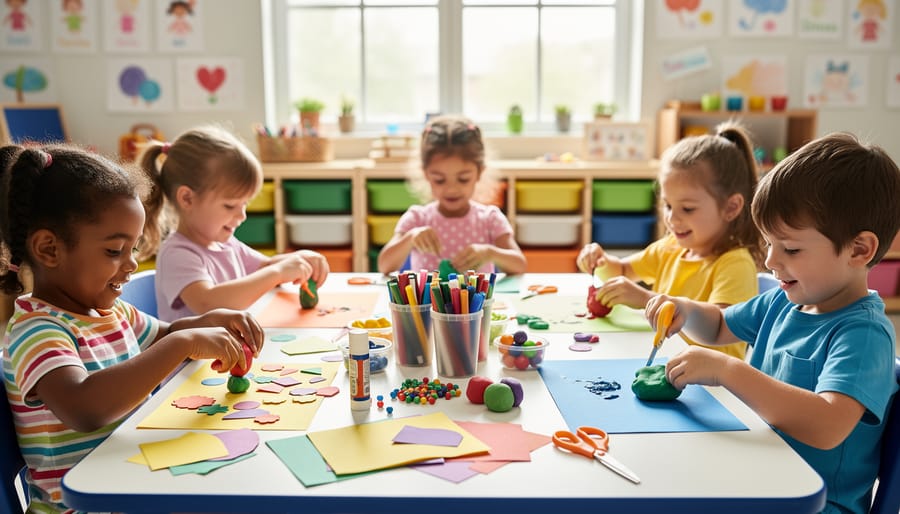
Matching Supplies to Your Child’s Learning Style
Five- and six-year-olds learn in different ways, and most are a blend. Watching how your child plays for a week or two will tell you more than any quiz.
If your child is always sorting, stacking, or building, lean toward hands-on supplies like counting bears, puzzles, and library STEM kits. If they love picture books, posters, and drawing, add visual tools such as a dry erase board, colorful charts, and colored pencils. If they enjoy finishing a page and seeing a clear result, a few workbooks or printable pages will feel satisfying.
You don’t have to pick just one. A solid starter mix might be one hands-on item, one visual item, and a small stack of paper for writing practice. Try those first, notice what your child reaches for, and buy more of that.
Staying Organized With New York Recordkeeping in Mind
Keeping kindergarten work organized doesn’t take much. A simple binder with a few dividers, some folders, and a stack of wide-ruled filler paper will cover most of it. Slip a handwriting page or a favorite drawing into the binder each week, and you’ll have a handy record of your child’s progress.
Planning ahead helps too. Writing out your weekly goals in a homeschool planner makes it easy to see which supplies you’ll actually reach for. You can tuck each week’s plan right in front of that week’s work samples.
For official details on homeschooling in New York State, the NYS Department of Education page is the best place to look. It’s a good idea to check it as you plan, so your supply list and your recordkeeping habits stay on track.
Kits, Single Items, or a Mix: Types of Kindergarten Supplies Compared
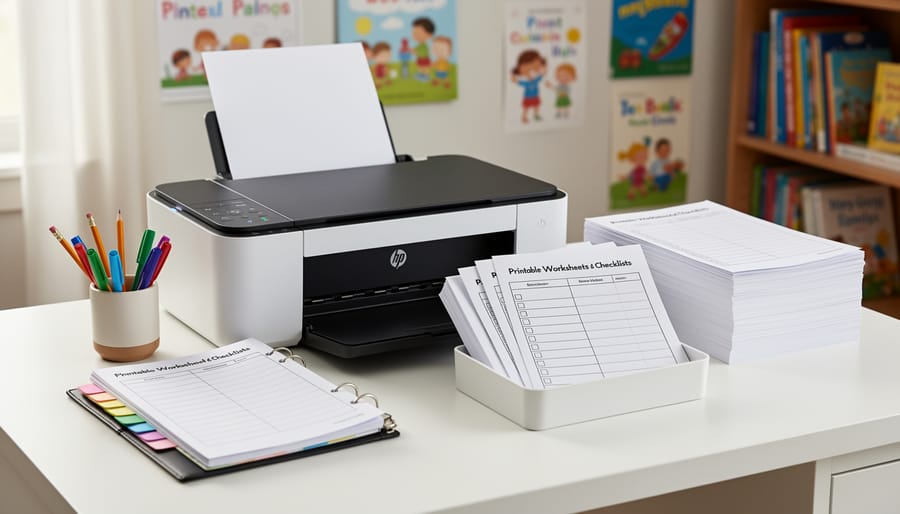
When you’re building a kindergarten homeschool supply list, you generally have three ways to go: an all-in-one kit or package, individual items bought piece by piece, or borrowed and free resources. Most families end up blending them, and that’s perfectly fine.
An all-in-one option gives you a ready-made path. It’s a good fit if you’d rather not make dozens of small decisions in your first month. Buying piece by piece gives you control, so you can match items to how your child actually learns. Borrowed and free resources, like library kits and printable checklists, let you test the waters before spending anything.
| Approach | Best for | Flexibility | Things to watch |
|---|---|---|---|
| All-in-one kit or package | Parents who want a clear, guided plan | Lower; you follow the set structure | May include items your child doesn’t need |
| Individual supplies | Families who know their child’s learning style | High; add or swap items anytime | Easy to overbuy without a checklist |
| Library kits and free printables | Trying new topics before committing | Moderate; depends on what’s available | Borrowed items must be returned, and printing uses ink and paper |
There are real options in each category. Alfred Box of Books Library lists early literacy kits, STEM kits, posters, and books to support learning at home, which makes it a handy example of what library borrowing can look like. Large catalogs work well for the piece-by-piece route. Rainbow Resource Center says it offers over 50,000 resources across all subjects for grades PK to 12, so you can find specific items for a specific need. And K12 provides resources for online homeschool students in grades K-12, which suits families who want a more structured, online-based approach.
A simple way to decide: start with free and borrowed resources while you learn how your child likes to work. Then buy a few core items individually. If you find you want more structure, add a packaged set later. Starting small keeps the process relaxed and lets your supply list grow with your child.
Where New York Families Can Source Kindergarten Supplies
You have more sourcing options than you might expect, and you don’t need to use all of them. Here are the main places New York families look first:
- Online homeschool retailers for printing gear, writing tools, and hands-on learning materials.
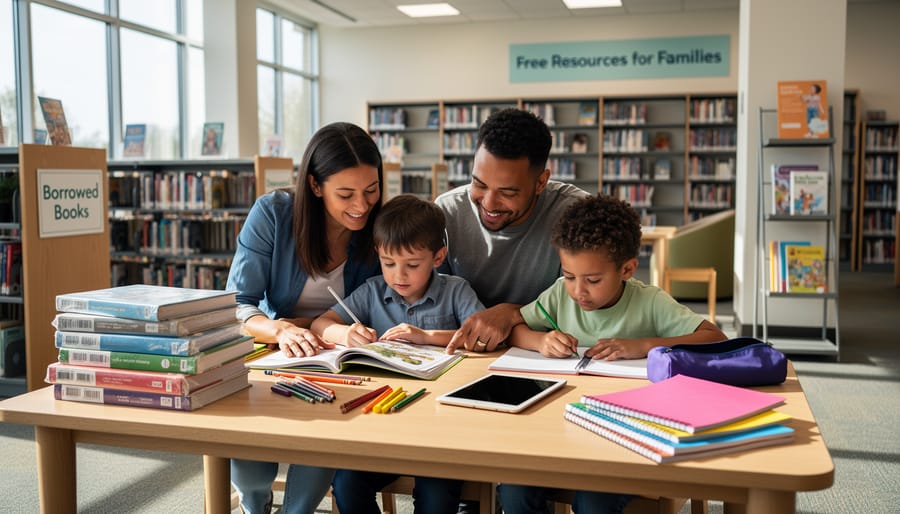
- Your local library, which may lend early literacy kits, STEM kits, posters, and books.
- Large homeschool catalogs with a wide range of subjects and grade levels.
- Online programs that bundle lessons and resources together.
- Free printable checklists and worksheets to get you organized.
A good place to begin is a simple checklist. Treehouse Schoolhouse, for example, offers a free printable PDF with everything needed to get started homeschooling. It groups essentials into organization tools, printing equipment, daily writing tools, and hands-on resources, which lines up nicely with a kindergarten supply list.
Libraries are worth a visit before you buy anything. Alfred Box of Books Library says it has early literacy kits, STEM kits, posters, and books to support learning at home. Its posters are on the top shelf of the Juvenile Fiction section, in a large clear poster bag. Ask your own library what it offers, since every branch is a little different.
If you want one big shopping destination, Rainbow Resource Center says it offers over 50,000 homeschool and classroom resources covering all subjects for grades PK to 12. K12 says it provides resources for online homeschool students in grades K-12, which can suit families who prefer a guided online path.
If you live in the city, our guide to Queens supply shopping shows how to plan a local shopping route. Whatever you choose, check availability and current details with each source directly, since they can change.
Our Top Picks: Kindergarten Homeschool Supplies Worth Considering
Here are eight picks worth a look, grouped by purpose so you can shop for what you actually need: readiness and curriculum, writing and printing, hands-on math and play, and classroom setup. Each one covers what it’s good for, who it suits, and a practical tip for using it. I share customer ratings only as they appear, and I leave prices out.
You don’t have to buy all eight. Start with one or two, then fill gaps with free homeschool resources like library kits and printable checklists.
Learning Resources All Ready for Kindergarten Readiness Kit: Learning Resources All Ready

If you want a gentle, guided start to kindergarten at home, the Learning Resources All Ready for Kindergarten Readiness Kit is worth a look. It’s built for families who like having a ready-made set of activities in one box instead of piecing everything together themselves. It’s in stock, and it holds a 4.7 out of 5 rating from 683 customer ratings, which suggests many families have found it a useful starting point.
This kit suits parents who are new to homeschooling and want a clear sense of what to do each day without a heavy plan. Because the activities are hands-on, it works well for children who learn by touching, sorting, and trying things out rather than sitting with worksheets.
A simple way to use it: pick one activity as a short morning warm-up, about 15 to 20 minutes, before you move on to reading or writing. Keep the box where your child can reach it, so it becomes part of the daily rhythm. If you’re also weighing digital tools, our homeschool technology guide can help you decide what else belongs in your setup.
Oxford Filler Paper for Daily Writing and Handwriting Practice

Plain loose-leaf paper might seem too ordinary to make a supply list, but it earns its spot. Wide-ruled lines give a five- or six-year-old the room they need to form big, wobbly letters while their hand strength catches up. The Oxford Filler Paper (500 sheets, 3-hole punched) is currently in stock and holds a 4.7 out of 5 rating from 5,610 customer ratings.
Beyond daily handwriting practice, it doubles as your work-sample stash. Because it’s pre-punched, it drops straight into a 3-ring binder, which keeps everything organized without any extra effort.
Classroom tip: keep one binder per subject, or one per month, and slide finished pages in behind a dated divider. A quick date in the corner of each page lets you flip back and see how much your child’s writing has grown. That also makes it easy to pull samples whenever you need them for your own records.
KALOUR 72 Count Colored Pencils for Art, Coloring, and Fine Motor Skills

A big set of colored pencils goes a long way in a kindergarten homeschool. The KALOUR 72 Count Colored Pencils have a soft core and a wide range of shades, so your child can color, draw, and practice blending without running out of options. It holds a 4.7 out of 5 rating from 13,573 customer ratings and is in stock.
The real payoff for a five- or six-year-old is fine motor growth. Gripping a pencil, staying inside the lines, and pressing lightly or firmly all build the hand strength needed for handwriting.
Try using them across subjects. Have your child color a map for geography, draw a plant for science, or sort pencils by shade while counting for math. A color-by-letter page makes phonics feel like play.
If art is becoming a favorite, our list of affordable art supplies has more ideas to pair with these pencils.
Canon PIXMA TS6520 Wireless Color Inkjet Printer for Printable Lessons

A home printer earns its place on a kindergarten supply list faster than most people expect. Between free printable checklists, letter-tracing sheets, and simple math pages, a lot of homeschool material arrives as a file rather than a book. The Canon PIXMA TS6520 Wireless Color Inkjet Printer fits that need, and it carries a 4.1 out of 5 rating from 2,467 customer ratings. It’s currently in stock.
Wireless setup means you can send a page from a phone or laptop without hunting for cables, which helps on busy mornings. Color printing is handy for early learners, since bright pictures keep a five-year-old’s attention.
Here’s the practical part. Print only what you need for the week, not the whole stack of worksheets you downloaded. Kindergarten attention spans are short, so a few pages go a long way. Keep a spare set of ink on hand so a half-printed lesson doesn’t derail your day. Finished pages can go straight into a folder or binder, which keeps your work samples tidy as you go.
Huijing Montessori Preschool Learning Activities Busy Book for Early Skills

The Huijing Montessori Busy Book is a workbook-style activity binder built for quiet, hands-on practice. It leans on tracing, coloring, and matching, which makes it a gentle way to build early skills without a big setup. It fits best with younger or newer learners who are still getting comfortable holding a pencil and following simple directions.
Customers rate it 4.7 out of 5 across 7,491 customer ratings, and it’s in stock right now. That’s a solid track record for a low-pressure supply.
Here’s an easy way to use it: pull it out for quiet time while you work with a sibling, or save it for a calm wind-down after a busier lesson. Rotating a few pages into two or three days a week keeps it fresh. If you’re still building your list, our guide to homeschool supply lists can help you decide what to add next.
VIZ-PRO Magnetic Dry Erase Board for Your Home Classroom

The VIZ-PRO Magnetic Dry Erase Board (36 x 24 inches, silver aluminium frame) is one of those supplies that earns its keep every single day. It holds a 4.6 out of 5 rating from 38,578 customer ratings and is in stock.
For a kindergartner, a big erasable surface makes practice feel low-stakes. Write a letter, wipe it away, try again. You can use it for letter formation in the morning, a few simple math problems after snack, and a picture-and-word schedule so your child knows what comes next. Because it’s magnetic, you can also stick up letter tiles, number magnets, or the day’s printed worksheet.
Placement matters more than size in a small New York apartment. Lean it on a shelf at your child’s eye level, hang it on the back of a door, or mount it in a corner of the dining room that doubles as your learning spot. If you have a dedicated corner, keep markers and an eraser in a small bin right beside it.
Bmag Counting Bears With Matching Sorting Cups for Hands-On Math

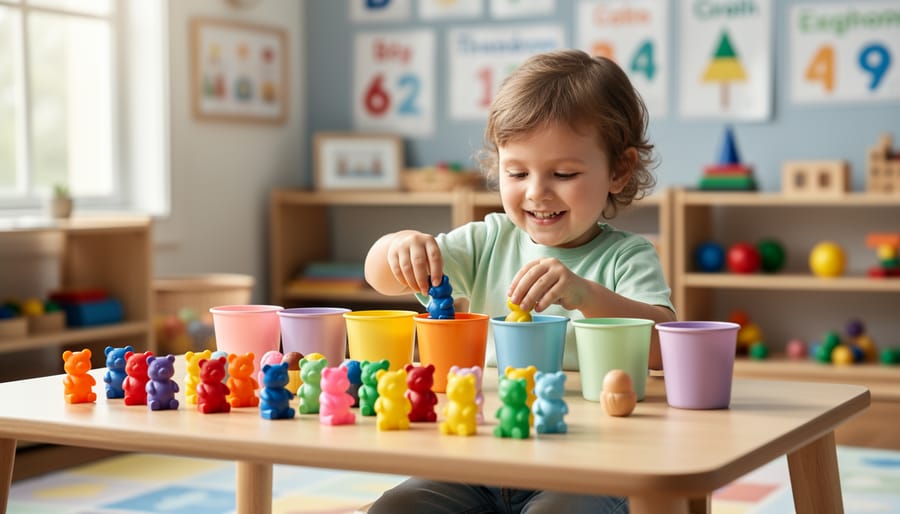
Counting bears with matching sorting cups turn early math into play. Kids count the bears, name each color, sort them into the cups, and start building simple patterns like red, blue, red, blue. That covers counting, color recognition, sorting, and early pattern work with one small set.
The Bmag Counting Bears with Matching Sorting Cups is rated 4.8 out of 5 from 6,452 customer ratings and is in stock. It suits kindergarteners who learn best with something to hold, and it works well for short, low-pressure math time.
Here’s a quick activity to try. Spill the bears onto a tray and ask your child to sort them into the matching cups. Then have them count each cup and say which color has the most. Once that feels easy, make a bear pattern in a row and ask what comes next. Five minutes is plenty, and the bears tuck right back into their cups for cleanup.
Calvert Kindergarten 2-Subject Complete Set With Starter Kit

If you’d rather follow a clear path than piece a plan together yourself, the Calvert Kindergarten 2-Subject Complete Set with Starter Kit is a packaged option worth a look. It’s built for families who want a ready-made structure, so you aren’t deciding each day what to teach or hunting for materials one at a time.
This kind of set suits parents who feel more confident with a roadmap, especially if you’re new to homeschooling and want the guesswork taken out of the first year. It covers two subjects, so you may still want to fill in other areas on your own.
It also pairs well with the hands-on supplies above. Use the set for the core lessons, then bring in counting bears for math play, colored pencils for drawing, or a dry erase board for extra letter practice.
One honest note: it has a 5 out of 5 rating, but that comes from just one customer rating, so treat it as a single data point rather than a firm verdict. It’s currently in stock.
Our Recommendations: Building Your Starter Set Step by Step
Think of your kindergarten supply list in three layers, and start with the first one.
The bare-bones starter set covers daily work: Oxford Filler Paper for handwriting practice, the KALOUR 72 Count Colored Pencils for drawing and coloring, and a place to keep it all in a binder. Add the VIZ-PRO Magnetic Dry Erase Board for letters, numbers, and your daily schedule, and you’re ready for week one.
The hands-on add-on set comes next. Bring in the Bmag Counting Bears and Sorting Cups for math play, the Huijing Montessori Busy Book for quiet time, and a printer like the Canon PIXMA TS6520 when you find yourself printing free checklists and worksheets regularly.
The all-in-one path suits parents who want a clear plan. Calvert Kindergarten or the Learning Resources All Ready kit gives you structure, and you can still layer in the hands-on pieces above.
| Need | Pick | Best time to buy |
|---|---|---|
| Writing | Oxford Filler Paper, KALOUR Colored Pencils | Before day one |
| Classroom setup | VIZ-PRO Magnetic Dry Erase Board | Before day one |
| Math play | Bmag Counting Bears | First month |
| Printing | Canon PIXMA TS6520 | When printing becomes routine |
| Structured curriculum | Calvert Kindergarten, Learning Resources All Ready | Before you begin, if you want a ready-made plan |
For your first month, buy only the writing basics and one hands-on tool. Everything else can wait until you see what your child enjoys. Library kits and free printables can fill gaps in the meantime, so there’s no rush to buy it all at once.
Common Supply-Buying Mistakes to Avoid
Most supply-buying mistakes are easy to fix, and nearly every homeschooling family makes at least one of them. Here are the common ones, along with a simple way out of each.
Buying everything before you know your child’s style. It’s tempting to fill a cart on day one. But a five-year-old who loves building may ignore the workbook you were sure they’d adore. Start with a few basics, watch what your child reaches for, and buy more once you know.
Skipping organization tools. Pencils and paper get the attention, but binders, folders, and filler paper are what keep a school year from turning into a pile on the kitchen table. A simple system for saving work samples and plans takes minutes to set up and saves real stress later.
Overlooking library and free resources. Not everything needs to be bought. Libraries often lend early literacy kits, STEM kits, and books, and Alfred Box of Books Library, for example, lists exactly these. Free printable checklists, like the one Treehouse Schoolhouse offers, can also help you plan before you spend anything.
Forgetting to check official New York information. Supplies are only one piece of the puzzle. As you plan your year, take a look at the NYS Department of Education page on homeschooling for the current requirements, so your supply list and your plans line up with what New York expects.
Kindergarten Homeschool Supply List FAQs
Here are quick answers to the questions New York parents ask most when they’re building a kindergarten supply list.
What do I need to start kindergarten at home?
Begin with the basics: organization tools like binders and folders, daily writing tools, a printer, and a few hands-on learning resources such as counting bears or a dry erase board. You can add more as you learn how your child likes to work.
Do I need a full curriculum kit?
No. A packaged set like Calvert gives you a clear path if you want one, but plenty of families mix single items, library books, and free printables instead.
Can I use library resources?
Absolutely. Alfred Box of Books Library, for example, has early literacy kits, STEM kits, posters, and books to support learning at home, so it’s worth checking what your own library offers before you buy.
Is a printer necessary?
It isn’t required, but it helps a lot. Many homeschoolers rely on printed worksheets and checklists, so a home printer saves time and trips out.
Where can I find a free checklist?
Treehouse Schoolhouse offers a free printable PDF checklist with everything you need to get started homeschooling. It’s a handy way to compare your own list against a ready-made one.
Where do I find official New York homeschooling information?
The NYS Department of Education page on homeschooling in New York State is the place to start, and it’s the source Alfred Box of Books Library points families to as well.
If one of these answers raises a new question, that’s normal. Most families refine their supply list as the first few weeks unfold, so start small and adjust as you go.
You don’t need a cart full of supplies to begin kindergarten at home. A few everyday basics, like paper, pencils, a printer, and a writing surface, plus one or two hands-on tools, will carry you a long way. From there, you can add things as you learn what your child loves and what actually gets used.
That’s the heart of NYHEN’s New York Homeschool Supply Sourcing Guide: start small, stay flexible, and let your family’s real routine guide what you buy next. Borrow from the library, print a free checklist, and save the bigger purchases for when you’re sure they’ll earn their place.
When you’re ready to dig into the official side of homeschooling in New York, the NYS Department of Education page is the best place to look for current information. You’ve got this, and your kindergartner is lucky to have you in their corner.