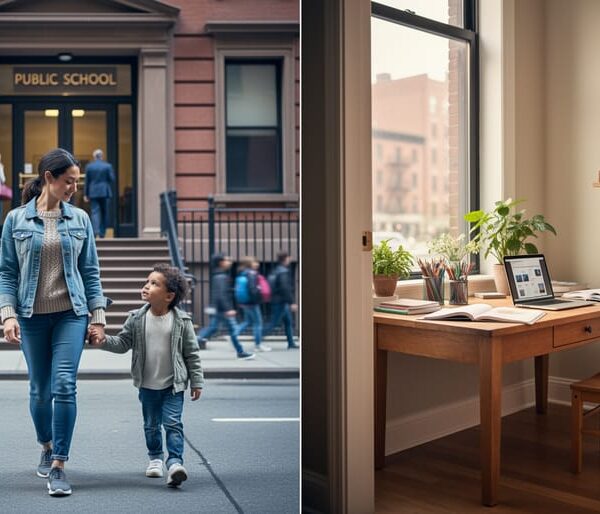

No, K12 is not homeschoolingand yes, it’s tuition-free. K12-powered programs are virtual public schools that offer state-funded online education, while traditional homeschooling is parent-directed learning where families choose their own curriculum and methods. The confusion is understandable because both happen at home, but they operate under completely different legal frameworks and give families vastly different levels of control.
If you’re exploring educational options for your New York family in 2026, understanding this distinction matters because it determines everything: who controls what your child learns, how much time you’ll invest, what your budget looks like, and which state regulations apply. K12 virtual schools follow the same accountability measures as brick-and-mortar public schools, complete with standardized testing and grade-level advancement requirements. Homeschooling in New York requires you to file an Individualized Home Instruction Plan, submit quarterly reports, and ensure your child takes annual assessments, but you maintain full authority over curriculum choices, pacing, and teaching methods.
The cost question depends on which path you choose. K12 virtual schools charge no tuition because they’re publicly funded, though families typically need to provide internet access and may want to supplement materials. Traditional homeschooling costs vary widely based on your curriculum choices and teaching approach, with families spending anywhere from minimal amounts for library-based learning to significant sums for comprehensive curriculum packages.
This guide breaks down both options across the dimensions that matter most to New York families, helping you determine which model aligns with your educational philosophy, availability, and goals.
Quick Comparison: K12 Online Programs vs. NY Homeschooling
When you’re weighing K12 online programs against traditional NY homeschooling, six core differences shape how each path works day-to-day. Here’s what sets them apart:
| Category | K12 Online Programs | NY Homeschooling |
|---|---|---|
| Cost | Tuition-free (publicly funded); may need computer and internet | Family purchases curriculum, materials, and assessment services |
| Curriculum Control | Pre-set curriculum provided by program; limited modification | Complete freedom to choose or create any curriculum |
| Teacher Involvement | Certified teachers deliver instruction and grade work | Parents teach directly; optional tutors at family’s expense |
| Schedule Flexibility | Fixed class times and public school calendar | Year-round learning, flexible daily schedule |
| Testing Requirements | Mandatory state standardized tests | Choice of annual assessment methods (tests, portfolios, or evaluations) |
| Transcript Recognition | Official public school transcript issued automatically | Parent-created transcript; may supplement with outside coursework |
The cost distinction often surprises families. K12 programs eliminate tuition but come with non-negotiable time commitments, while homeschooling shifts financial responsibility to families who then control exactly where those education dollars go. Similarly, curriculum control operates as an either-or proposition: K12 families trade selection burden for professional structure, whereas homeschoolers shoulder the research and planning but gain the power to match materials precisely to their child’s needs and family values.
Teacher involvement shapes the daily rhythm more than families initially expect. K12 students attend scheduled live classes with subject specialists, while homeschooling parents become the primary instructors, drawing on their own knowledge and outside resources as needed. Neither approach is inherently easier, they demand different types of family engagement and suit different household strengths.
What K12 Online Schooling Is
How K12 Programs Work in Practice
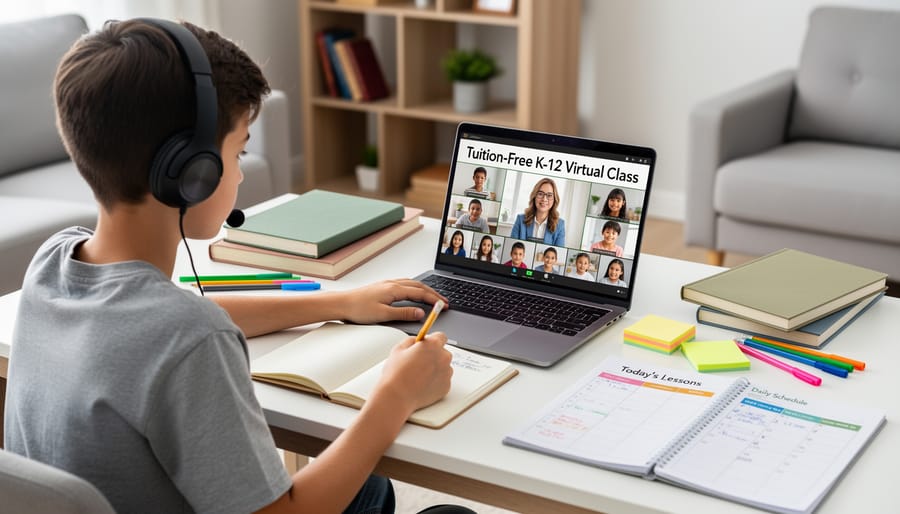
K12 programs operate as full-time virtual public schools with structured daily schedules. Students log into an online learning platform each weekday for live classes taught by state-certified teachers. These aren’t pre-recorded videos, they’re real-time instruction sessions where teachers present lessons, answer questions, and monitor student participation.
Attendance isn’t optional. Virtual charter schools track daily logins and class participation just like traditional public schools monitor seat time. Students complete assignments on deadlines, take graded tests, and receive report cards. The curriculum follows state standards without room for customization, families can’t skip units or substitute materials.
Parents serve as “learning coaches,” a role that demands significant daily involvement. You’ll help younger students navigate the technology, ensure they stay focused during lessons, and assist with technical issues. This coaching responsibility typically requires several hours of daily supervision, particularly for elementary-aged children who can’t manage online learning independently.
The program provides computers and curriculum materials at no charge, though some families need to upgrade their internet service for reliable video streaming. State testing happens annually, mirroring the standardized assessments required in brick-and-mortar public schools.
This structure differs substantially from traditional homeschooling’s flexibility. K12 students follow the school’s calendar, can’t easily take time off for family trips, and must work within the required homeschooling documents framework. Teachers make instructional decisions, parents implement them rather than designing their own educational approach.
What NY Homeschooling Is
NY Homeschooling Legal Framework
New York homeschooling operates under specific legal requirements that all families must follow to maintain compliance. These requirements exist to ensure children receive adequate instruction while giving parents substantial control over educational content and methods.
The process begins with submitting a Letter of Intent to your local school district, notifying them of your decision to homeschool. This letter must be filed between July 1 and the first day of school (typically early September) for families beginning in fall, or at least 14 days before starting instruction at any other time during the year.
Within four weeks of submitting your Letter of Intent, you’ll need to file an Individualized Home Instruction Plan (IHIP) that outlines your planned curriculum for the year. The IHIP lists the subjects you’ll teach and the materials you’ll use, but doesn’t require daily lesson plans or detailed teaching methods. This document establishes your educational roadmap while leaving room for adjustment as the year progresses.
Throughout the year, NY homeschooling families must submit four quarterly reports documenting hours of instruction and describing your child’s progress in each subject area. These reports provide regular check-ins with your district without requiring standardized formats or grading systems.
Key compliance documents and their timing include:
- Letter of Intent: July 1 through first day of school, or 14 days before starting mid-year
- IHIP submission: Within four weeks of Letter of Intent
- Quarterly reports: Four times per year covering each instructional period
- Annual assessment: Due by June 30 each year, using one of five approved methods
- Immunization records: Filed with initial Letter of Intent or updated as needed
At year’s end, families complete an annual assessment through one of several approved options, including standardized tests or written narrative evaluations from certified teachers. New York requires instruction in specific subjects that vary by grade level, with elementary students needing 900 hours annually and secondary students requiring 990 hours. The state mandates particular subjects at different grade ranges, such as patriotism and citizenship in grades 1-8 and certain sciences and history courses for high school students.
Comparing K12 and NY Homeschooling Across Key Dimensions
Cost: What ‘Free’ Really Means
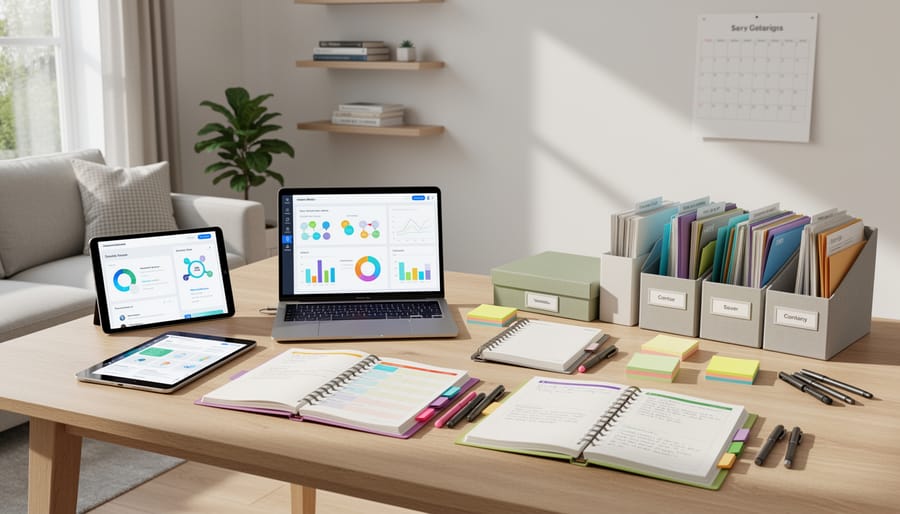
K12 programs carry no tuition costs because they’re publicly funded virtual schools, but families should plan for the learning coach time commitment, someone needs to be available during school hours to supervise younger students and help with technical issues. Most programs provide a computer and internet reimbursement, though policies vary by school. Some families find they need additional supplies like printers, headphones, or supplemental materials.
NY homeschooling eliminates tuition but shifts expenses to curriculum purchases, materials, and enrichment activities. Families decide how much to invest based on their teaching approach and resources, some build low-cost programs using library materials and free resources, while others purchase complete curriculum packages. You’ll also budget for annual assessments, co-op memberships, field trips, and specialized classes your student needs. Understanding the full homeschool cost picture helps with planning, and exploring available tax credits can offset some expenses. The key difference: K12’s costs are mostly time and opportunity costs, while homeschooling involves direct financial decisions you control.
Curriculum and Teaching Control
With K12 programs, certified teachers design lesson plans, deliver instruction, and assess student work. Your child logs into predetermined classes where teachers present material, assign activities, and grade assignments. You serve as the learning coach, helping your child stay on task and communicating with teachers, but you don’t choose textbooks, design units, or make scope-and-sequence decisions. The program provides everything in a structured package.
NY homeschooling flips this dynamic. You select every resource, from math curriculum to science kits to literature lists. Want to teach history chronologically? Use living books instead of textbooks? Spend three weeks on fractions because your child needs it? You make those calls. You’re both teacher and administrator, deciding not just what to teach but how to teach it and when to move forward.
The trade-off is clear: K12 offers professional structure without requiring you to become an expert in pedagogy or curriculum design. NY homeschooling demands more educational decision-making but rewards you with complete control over your child’s learning philosophy, methods, and pace. One path provides security through expertise; the other provides freedom through autonomy.
Schedule and Flexibility
K12 programs operate on a fixed schedule similar to traditional public schools. Students log in for live classes at specific times, typically during standard school hours on weekdays. Attendance is tracked, and families must follow the program’s calendar, including scheduled breaks and holidays. Parents serve as learning coaches, supervising students during class time and helping with technical issues or assignments between sessions.
NY homeschooling offers complete schedule control. You can teach year-round or follow any calendar you choose, adjust daily start times to fit your family’s rhythm, and take vacations when travel costs less. Lessons can happen at kitchen tables, libraries, or museums during traditional school hours. You decide whether to concentrate certain subjects into intensive blocks or spread learning throughout the day.
The time commitment differs in character rather than total hours. K12 learning coaches must be available during scheduled class times to keep students on task and troubleshoot, but teachers handle the instruction. Homeschooling parents do the direct teaching, which requires more active engagement but allows you to speed through mastered material or slow down when concepts need more time. Your family’s work schedules and your student’s peak learning times will determine which model’s time demands fit better.
Assessment and Accountability
K12 programs handle assessment through the same standardized testing required of all public school students in New York. Students take state exams at designated testing sites, and their performance becomes part of their official academic record. The virtual school issues report cards, calculates GPA, and maintains transcripts that colleges recognize as coming from an accredited public institution. Parents don’t manage assessment logistics or create documentation, the school handles everything.
NY homeschooling offers flexibility in annual assessment. Families choose from standardized test scores, written evaluations by a certified teacher, or alternative assessments approved by their school district. Parents must submit these assessments to their district and keep homeschool records including attendance, curriculum plans, and work samples. This creates a paper trail, but parents bear full responsibility for documentation quality and completeness.
For college preparation, K12’s official transcripts provide clear, institutional credibility. Homeschool transcripts, while legally valid, require parents to compile grades and course descriptions themselves. Some colleges request additional documentation from homeschoolers, such as detailed course syllabi or supplementary test scores. Neither path limits college options, but K12 offers ready-made documentation while homeschooling demands organized record-keeping throughout high school years.
Who Should Choose K12 Online Programs
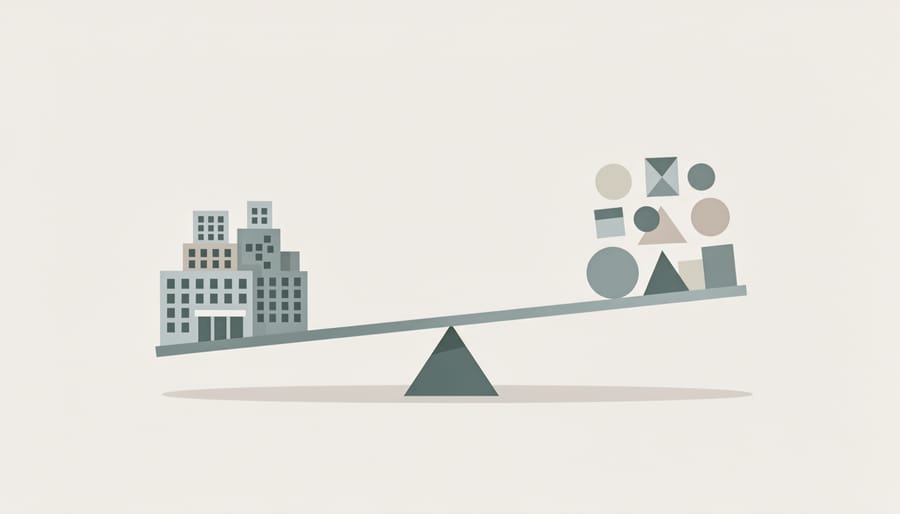
K12 online programs work best for families who value the structure and oversight of traditional public schooling but need the flexibility of learning from home. If you want certified teachers creating lesson plans, grading assignments, and providing regular instruction, K12 delivers that without requiring you to become the primary teacher. The program handles curriculum selection, pacing guides, and academic benchmarking, removing much of the planning burden from parents.
These programs shine for families new to home-based education who aren’t yet confident designing their own curriculum or managing compliance paperwork independently. K12 provides official transcripts, report cards, and documentation that clearly translate to college admissions offices and future employers. You won’t need to explain your educational approach or justify assessment choices because the virtual school handles those formal requirements.
K12 also suits families who want consistent academic accountability. Regular teacher check-ins, scheduled assignments, and progress monitoring create clear expectations that help students stay on track. If your child thrives with external deadlines and teacher feedback, or if you prefer not to carry sole responsibility for educational decisions, the built-in structure proves valuable.
Parents who work from home often appreciate K12 because a certified teacher leads instruction during scheduled class times. You serve as the learning coach, supporting your student and managing the daily routine, but you’re not creating lessons or grading tests. This arrangement works well when you need predictable school hours but can’t commit to full-time teaching responsibilities.
Who Should Choose NY Homeschooling
NY homeschooling suits families who prioritize autonomy over external structure. If you want to shape your child’s education around your family’s values, learning philosophy, or faith tradition, choosing specific curricula, teaching methods, and educational resources that align with your beliefs, this path gives you that freedom. You select what to teach, how to teach it, and when to move forward or spend extra time on challenging concepts.
This option works especially well when you need genuine flexibility. Families who travel extensively, have children with demanding sports or arts schedules, or simply prefer learning outside traditional school hours can design their day around what works best. You’re not bound to screen time or set class periods; learning can happen through hands-on projects, field experiences, apprenticeships, or co-op classes with other homeschooling families.
NY homeschooling also allows you to customize pace and approach for individual learners. Children who race ahead in certain subjects or need more support in others benefit from instruction tailored precisely to their needs rather than following a predetermined scope and sequence.
The trade-off is responsibility. You handle all teaching directly, select or create your curriculum, maintain required documentation, and ensure you meet New York’s subject and assessment requirements. This path demands confidence in your ability to educate your child and manage compliance paperwork without institutional support. If you’re ready for that level of involvement and value the control it brings, homeschooling offers unmatched educational freedom.
What Each Option Is
K12 online programs are virtual public charter schools funded by state tax dollars. When families enroll, their child attends school through a computer at home, taught by state-certified teachers who deliver lessons via video conferencing and online platforms. The program provides the curriculum, assigns homework, tracks attendance, and issues official report cards and transcripts, just like a brick-and-mortar public school, but delivered digitally. Parents serve as “learning coaches” who help their child stay on task and navigate the technology, but the school employs the teachers and directs the educational program.
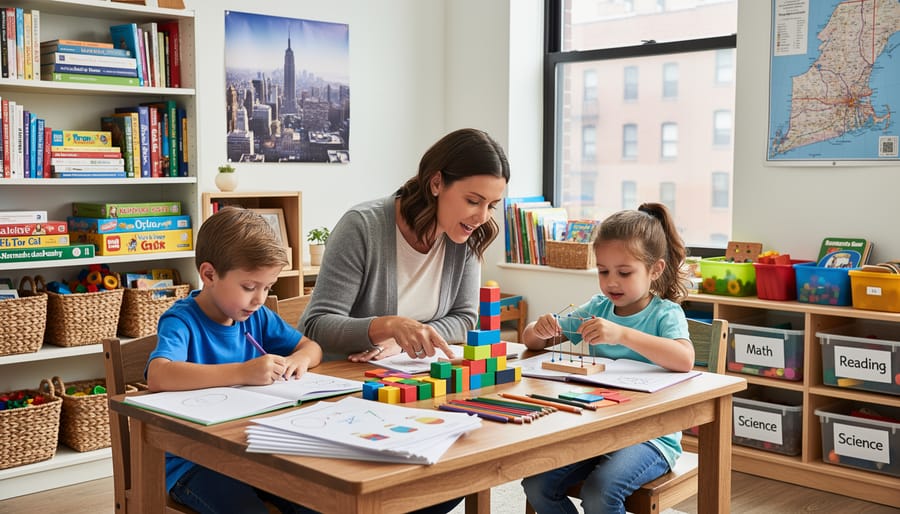
New York homeschooling is parent-led education where families withdraw their children from the public school system entirely and take direct responsibility for teaching. Parents file paperwork with their local school district, choose or create their own curriculum, and manage their child’s daily instruction at home. The family acts as the educator, selecting textbooks, planning lessons, and deciding teaching methods. New York requires homeschooling families to submit regular reports and annual assessments to their district, but parents make all educational decisions within the state’s subject and hour requirements.
Dimension-by-Dimension Comparison
K12 online programs and NY homeschooling differ in ways that affect your daily life and long-term planning. Understanding these differences helps you choose the path that fits your family’s needs.
Cost structure separates the two most visibly. K12 virtual charter schools charge no tuition because they’re publicly funded. You won’t pay for curriculum or teacher salaries, though you’ll need reliable internet and may need to provide a computer. NY homeschooling requires families to purchase curriculum materials, assessment services, and any enrichment programs they choose. Costs vary widely based on curriculum selection, from budget-friendly options to comprehensive packages, plus expenses for co-ops, field trips, or extracurricular activities.
Curriculum control reveals a fundamental difference in educational authority. K12 provides a complete curriculum designed by the virtual school, with certified teachers making instructional decisions. Families follow the program as designed. NY homeschooling puts curriculum choice entirely in parent hands. You select materials that match your educational philosophy, adapt content to your child’s learning style, and modify pacing as needed.
Schedule flexibility shapes daily family life differently under each model. K12 programs require attendance at scheduled online class times, follow a traditional school calendar, and expect daily logins. Students participate in live sessions with teachers and classmates. NY homeschooling allows year-round education, flexible daily schedules, and learning that accommodates family travel or other commitments.
Assessment approaches determine how you document educational progress and prepare for college applications. K12 students take state-mandated standardized tests and receive official transcripts from their virtual school. NY homeschoolers choose from multiple annual assessment options, standardized tests, narrative evaluations, or other approved methods, and parents maintain educational records for their school district and future college applications.
K12 Online Schooling vs Ny Homeschooling Terms to Know
- Virtual Charter School
- A publicly funded school that operates entirely online, offering tuition-free education through state-approved charter authorization. Students enroll as public school students and must meet the school’s attendance and performance requirements.
- Learning Coach
- The parent or adult who supervises a K12 student’s daily online learning at home, helping with technical issues and ensuring the student stays on task during scheduled class times. This role differs from homeschool teaching because the virtual school’s certified teachers direct instruction.
- Letter of Intent (LOI)
- The required annual notice NY homeschooling families must file with their local school district, typically due by July 1st or within two weeks of starting homeschooling mid-year. This document formally notifies the district that a child will receive home instruction rather than attending public or private school.
- Individualized Home Instruction Plan (IHIP)
- NY homeschoolers’ detailed curriculum plan listing subjects to be covered, materials to be used, and how progress will be measured throughout the year. This document must be submitted to the school district and updated annually.
- Annual Assessment
- The yearly evaluation required for NY homeschoolers, which can be satisfied through standardized testing, a written narrative from a certified teacher, or other approved assessment methods. K12 students complete state-mandated testing through their virtual school instead.
These terms matter because mixing up K12 program language with traditional homeschooling requirements causes confusion during district communications. When you contact your school district, knowing whether you’re enrolling in a virtual public school or filing homeschool paperwork determines which forms you need and which regulations apply to your family.
Common Questions About K12 vs. Homeschooling in New York
Can you switch from K12 online programs to traditional NY homeschooling or vice versa?
Yes, families can transition between both models. Moving from K12 to homeschooling requires withdrawing from the virtual charter and filing the standard Letter of Intent with your school district. Switching from homeschooling to K12 means withdrawing from your district’s homeschool program and completing the virtual charter’s enrollment process.
Do both options work for high school students?
Both paths can work through graduation. K12 programs issue standard high school diplomas and transcripts directly. NY homeschoolers complete required coursework, choose from various assessment methods, and either receive diplomas from parent-directed programs or pursue alternatives like the GED or community college credits.
How do colleges view K12 graduates compared to homeschoolers?
Colleges accept students from both backgrounds. K12 graduates submit official transcripts from their virtual charter school, similar to traditional public school students. Homeschoolers typically provide parent-created transcripts along with standardized test scores, portfolio work, or dual enrollment credits to demonstrate academic readiness.
What if K12 isn’t available in my NY district?
Not all New York districts participate in virtual charter programs. If K12 or similar programs aren’t accessible in your area, traditional homeschooling remains a viable option available to all NY families regardless of location. Some families also explore part-time online course providers for specific subjects while maintaining homeschool status.
The reality is that educational paths rarely follow a straight line. Families often start with one approach, discover it doesn’t fit, and make a change. New York’s regulations allow this flexibility, though switching requires completing the appropriate paperwork for whichever model you’re adopting.
One consideration that comes up frequently is whether you can blend the two approaches, using some online courses while maintaining homeschool independence. While you can’t simultaneously be enrolled in a K12 program and file as a homeschooler with your district, homeschooling families routinely incorporate online classes from various providers into their curriculum. These supplemental courses differ from full K12 enrollment because families maintain control over the overall educational plan and remain responsible for NY’s homeschool compliance requirements.
The path you choose today doesn’t lock you in permanently. As your child’s needs evolve, as family circumstances shift, or as you gain confidence in one approach over another, you can reassess and adjust course.
Neither K12 online programs nor traditional New York homeschooling is inherently superior. The better choice depends entirely on what your family values most: structured accountability with certified teachers or complete educational autonomy, fixed schedules with clear benchmarks or flexible pacing tailored to your child’s rhythm, comprehensive curriculum provided or hand-selected materials that reflect your priorities.
Before deciding, measure both options against New York’s specific legal framework. K12 programs handle compliance through the virtual charter structure, but enrollment isn’t guaranteed and may not be available in your district. Traditional homeschooling puts legal responsibility directly on you, requiring annual paperwork and record-keeping, but grants full control over how your child learns.
Your teaching confidence matters too. If you’re energized by researching curricula, designing learning experiences, and managing compliance yourself, homeschooling offers room to build something uniquely suited to your student. If you’d rather have educational professionals handle planning while you support from the sidelines, K12’s structure may feel like a relief.
Consider your child’s learning style as well. Some students thrive with consistent teacher interaction and set class times. Others need the freedom to deep-dive into interests, adjust pace frequently, or learn through experiences that don’t fit a screen-based schedule.
NYHEN provides resources specifically for families choosing the traditional homeschooling path in New York, including guidance on filing requirements, curriculum selection, and connecting with the local homeschooling community. Whatever you choose, make it a deliberate decision aligned with your family’s real needs rather than assumptions about which path seems easier.